How long does it take to rehydrate your body? IV therapy vs. drinking water explained
Whether you're recovering from a hangover, pushing through intense athletic training, or fighting off a stomach bug, dehydration hits fast — and relief can't come soon enough.
Most people reach for a glass of water or a sports drink. That's a good start. But depending on how dehydrated you are, oral fluid intake alone can take hours — or even a full day — to restore your body's fluid and electrolyte balance.
IV hydration therapy works differently. By delivering a sterile saline solution loaded with electrolytes and vitamins directly into your bloodstream, mobile IV therapy can have you feeling better in as little as 30 to 60 minutes.
Here's everything you need to know about rehydration time — and when IV therapy is the faster, smarter choice.
What happens to your body when you're dehydrated?
Your body is made up of roughly 60% water. When you lose even a small percentage of that — through sweat, illness, alcohol consumption, or simply not drinking enough fluids — the effects are immediate and noticeable.
Common signs and symptoms of dehydration
Even mild dehydration can impair cognitive function and physical performance. Watch for these dehydration symptoms:
- Persistent fatigue or low energy
- Headache or migraine attack
- Brain fog or difficulty concentrating
- Dry mouth, dark urine, or reduced urination
- Dizziness or lightheadedness
- Nausea, muscle cramps, or weakness
Severe dehydration — common with food poisoning, intense heat, vomiting, or prolonged illness — can cause a rapid heart rate, confusion, and fainting. At that point, oral rehydration alone may not be sufficient.
Why drinking water alone isn't always enough
Water is essential, but effective rehydration isn't just about replacing fluids. Your body also loses key electrolytes — sodium, potassium, chloride, and magnesium — that are critical for proper cellular function and fluid absorption.
Replacing fluids without replacing electrolytes slows your recovery significantly. And when nausea or vomiting is involved, drinking the volume of liquid needed to rehydrate becomes nearly impossible.
How long does it take to rehydrate by drinking water or oral fluids?
Oral rehydration timelines vary widely based on dehydration severity, electrolyte loss, and your body's ability to absorb fluids through the digestive system.
Mild dehydration: 30 minutes to a few hours
If you've had a long workout, spent time in the heat, or simply forgot to drink enough during the day, a few glasses of water or an electrolyte drink can restore fluid balance within 30 minutes to 2 hours.
The key variables: how quickly you drink, whether your gastrointestinal system can tolerate it, and whether you're replenishing electrolytes alongside fluids — not just water.
Moderate to severe dehydration: 24 to 48 hours or longer
When dehydration is more serious — triggered by a stomach virus, food poisoning, a hangover, or back-to-back endurance events — oral fluid replacement becomes significantly slower.
Your digestive system can absorb fluids at a limited rate. If you're nauseated, your body may actively resist taking in large volumes of liquid. Full recovery can take a full day or longer — a long time to feel depleted when you have places to be.
How long does IV therapy take to rehydrate your body?
This is where intravenous hydration therapy changes the equation entirely — and why so many people in Salt Lake City and Northern Utah are turning to mobile IV drip services for fast recovery.
IV hydration works in 30 to 60 minutes
With IV therapy, a sterile saline solution — packed with electrolytes and optional vitamins and medications — is administered directly into your bloodstream through a small IV catheter in your arm.
There's no digestion. No waiting for your stomach to process anything. IV fluids bypass the gastrointestinal tract entirely and go straight into circulation, reaching your tissues and organs immediately.
Most patients begin to feel measurable relief within the first 15 to 20 minutes, with full effects by the end of the 30- to 60-minute infusion session.
Oral hydration vs. IV therapy: side-by-side comparison
| Oral Hydration | IV Therapy | |
|---|---|---|
| Absorption rate | 30–60% absorbed | 100% absorbed |
| Time to relief | 2–48+ hours | 30–60 minutes |
| Best for | Mild dehydration | Moderate to severe |
| Add vitamins/meds | Limited options | Yes — fully customizable |
| Works if nauseous | Difficult | Yes — bypasses stomach |
What can be added to your IV drip for faster, more complete recovery?
One of the most significant clinical advantages of intravenous therapy is the ability to customize your treatment. A licensed medical professional can include targeted add-ons based on your symptoms:
- B-complex vitamins — energy production and nervous system support
- Vitamin C — antioxidant protection and immune system function
- Zinc — immune defense, wound healing, and anti-inflammatory support
- Anti-nausea medication (Zofran/Phenergan) — rapid symptom relief
- Glutathione — master antioxidant for cellular detoxification and recovery
- NAD+ — cellular energy, cognitive clarity, and metabolic function
At Bliss Mobile IV, our licensed medical team helps you select the right IV drip and add-ons for your specific situation — whether that's hangover recovery, athletic performance recovery, or immune support.
When is IV therapy the right choice for rehydration?
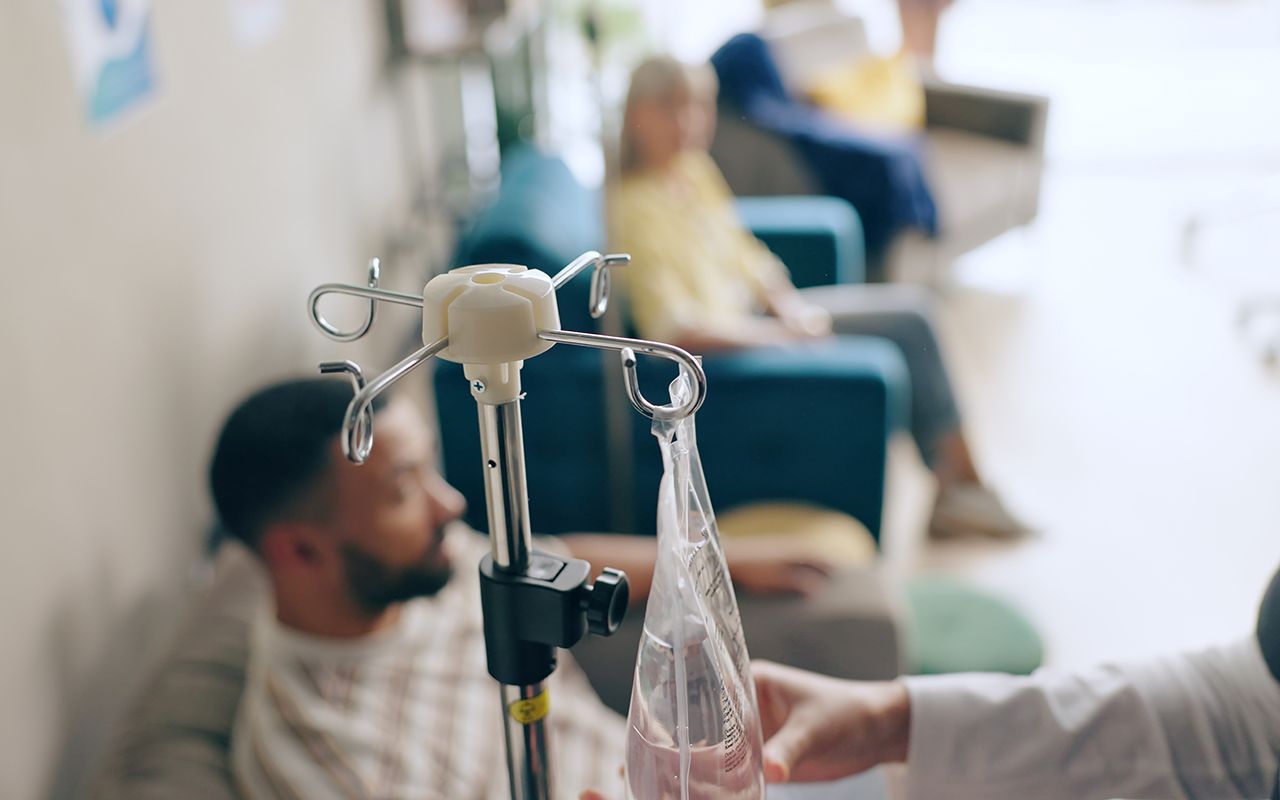
Water is always a good idea. But IV therapy is the better clinical choice when:
- You need fast relief — a job, event, competition, or travel obligation can't wait
- You've been vomiting and physically can't keep oral fluids down
- Your hangover includes nausea, pounding headache, and full-body fatigue
- You're recovering from food poisoning or a stomach virus
- You're experiencing pregnancy-related morning sickness or hyperemesis
- You just completed an intense race, game day, or multi-day training camp
- You've arrived after a long international flight and need jet lag recovery
- You're fighting a cold or flu and want immune support alongside hydration
- You're a cancer patient managing treatment-related dehydration and fatigue
IV therapy isn't reserved for the most extreme cases. It's for anyone who values their time and wants to recover faster — without spending a full day waiting for oral fluids to work through their digestive system.
Mobile IV therapy for fast rehydration in Salt Lake City and Northern Utah
If you're in Salt Lake City, Provo, Orem, Layton, Logan, Sandy, Murray, West Jordan, South Jordan, Herriman, Lehi, Farmington, West Valley City, or Millcreek — or anywhere in Weber, Davis, Cache, or Box Elder County — Bliss Mobile IV comes directly to you.
No clinic. No waiting room. No driving while you feel depleted.
Our licensed nurses and medical professionals arrive at your home, hotel, office, or gym and administer your custom IV drip in a comfortable, relaxed setting. Most sessions take 45 to 60 minutes from arrival to completion.
We make professional IV hydration therapy in Utah more accessible, more convenient, and more effective than any oral supplement or sports drink on the market.
Frequently asked questions
How long does it take to fully rehydrate after dehydration?
Rehydration time depends on severity. Mild dehydration can be reversed in 30 minutes to a few hours with water and electrolytes. Moderate to severe dehydration may take 24 to 48 hours with oral fluids alone. IV therapy significantly reduces recovery time — most patients feel substantially better within 30 to 60 minutes of starting an IV drip.
Is IV hydration faster than drinking water?
Yes — significantly faster. IV fluids are delivered directly into the bloodstream, achieving 100% bioavailability with no digestive delay. Oral fluids must pass through the gastrointestinal tract, where only a fraction is absorbed and the process can take hours, especially when nausea is present.
How many bottles of water does it take to rehydrate your body?
For mild dehydration, most adults require 2 to 3 liters of fluid replacement. However, water alone does not replace the electrolytes — sodium, potassium, and magnesium — lost through sweat or illness. Electrolyte drinks or IV fluids are more effective for complete rehydration.
What is the fastest way to rehydrate your body?
The fastest way to rehydrate is intravenous (IV) fluid therapy. IV hydration bypasses digestion entirely, delivering fluids and electrolytes directly into the bloodstream for near-immediate absorption. Most patients experience relief within 15 to 20 minutes. Oral electrolyte solutions are the next best option for mild cases.
Can I get IV therapy at home in Salt Lake City or Northern Utah?
Yes. Bliss Mobile IV provides in-home IV therapy across the greater Salt Lake City area and Northern Utah, including Provo, Layton, Sandy, Logan, Murray, West Jordan, Lehi, and surrounding communities. Book online and a licensed medical professional will come directly to your location.
How long does an IV drip session take?
Most IV drip sessions take 30 to 60 minutes from start to finish. Many patients notice an improvement in symptoms within the first 15 to 20 minutes. Session duration varies based on the drip type, volume of fluids, and any add-on medications or vitamins included.
Is IV therapy safe?
Yes. All Bliss Mobile IV treatments are administered by licensed medical professionals using sterile, pharmaceutical-grade IV solutions. A brief health intake assessment is completed before every session to confirm the treatment is appropriate and safe for your individual needs.
Stop waiting. Start recovering.
Bliss Mobile IV brings fast, professional IV hydration therapy directly to you — wherever you are in Salt Lake City or Northern Utah.
Most clients feel noticeably better within 30 minutes.