
IV Drip Effectiveness: What Really Works and What Doesn’t
Key Takeaways
- IV drips demonstrate strong effectiveness for medical uses like severe dehydration, malabsorption disorders, and specific nutrient deficiencies, but scientific evidence remains mixed for general wellness claims such as anti-fatigue or immune boosting in healthy individuals.
- The “near-100% absorption” claim is accurate for bloodstream delivery—IV administration can elevate plasma vitamin C levels up to 100 times higher than oral supplements. However, higher blood levels don’t automatically translate into better clinical outcomes for everyone.
- IV drips are invasive medical procedures with real risks including infection, vein irritation (phlebitis rates can reach 33.8% without proper aids), electrolyte imbalances, and potential fluid overload in certain patients.
- Before scheduling an IV therapy session, speak with a healthcare provider to weigh costs, benefits, your medical history, and realistic expectations based on your individual health status.
Introduction: What Is IV Drip Therapy and Why Is It Popular?
IV drip bars and wellness clinics seemed to appear everywhere in the mid-2010s. Fueled by celebrity endorsements, Instagram posts showing colorful vitamin bags, and promises of instant energy and glowing skin, consumer intravenous vitamin therapy rapidly shifted from hospital wards to upscale shopping districts.
So what exactly is iv vitamin therapy? In its simplest form, iv therapy involves an intravenous infusion of iv fluids mixed with vitamins and minerals, amino acids, or antioxidants. Common ingredients include vitamin c, b complex vitamins, magnesium, zinc, and glutathione. The procedure delivers vitamins and essential nutrients directly into the bloodstream through a small catheter, typically placed in a vein in your arm.
Originally, iv drips were standard hospital tools for treating severe dehydration, supporting patients through surgery recovery, managing infections, and replacing nutrients in those who couldn’t absorb them orally. The expansion into wellness clinics and drip bars represents a significant shift—one that raises questions about what’s genuinely effective versus what’s primarily marketing.
For this article, “effectiveness” means more than fast absorption. We’re looking at measurable benefits: symptom relief, improved lab values, faster recovery, or documented health improvements. The goal is to separate evidence-based applications from wellness hype and help you understand who actually benefits from iv drip therapy.
How IV Drips Work: Absorption and Bioavailability
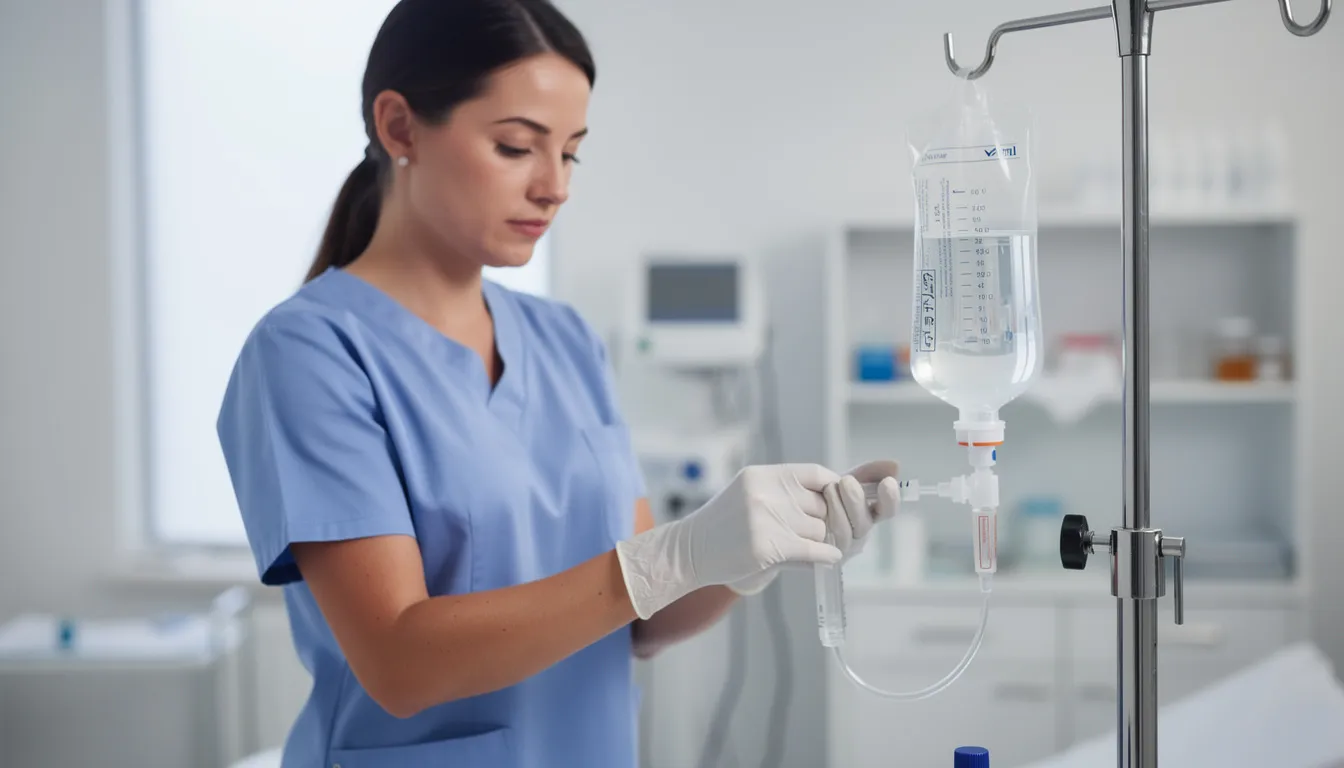
When you receive iv fluids, a small catheter is inserted into a peripheral vein—usually in your arm—and fluid containing nutrients flows directly into your bloodstream. This process typically takes 30 to 60 minutes, depending on the volume and formulation.
The key advantage of intravenous vitamin therapy lies in bypassing the digestive system entirely. When you take oral supplements, they must survive stomach acid, be processed by digestive enzymes, absorbed through intestinal walls, and pass through your liver before reaching general circulation. This “first-pass metabolism” significantly reduces what actually makes it into your blood.
With iv vitamin therapy work happening directly in the bloodstream, bioavailability approaches 100%. The contrast with oral absorption is significant:
- Oral vitamin c absorption drops dramatically at high doses—often only 1-20% of a large oral dose reaches circulation, while iv administration can achieve plasma levels up to 100 times higher than oral routes
- Magnesium absorption orally varies between 30-40% depending on the form, gut health, and other dietary factors
- B vitamins, though water soluble vitamins with generally good oral absorption, can still be limited by gastrointestinal tract conditions or certain medications
However, there’s a critical nuance many wellness clinics gloss over: higher blood levels don’t automatically mean better outcomes. Your cells regulate what they take up. Once nutrient stores are adequate, excess is typically excreted through your kidneys or, with certain vitamins, can accumulate to potentially harmful levels. The body’s ability to use nutrients depends on more than just how much is circulating in your blood.
Medical Uses of IV Drips with Strong Evidence
IV drips are undeniably effective for several well-defined medical indications. These represent the strongest evidence base for intravenous nutrient therapies and remain part of standard hospital care worldwide.
For severe dehydration from conditions like gastroenteritis, heat stroke, or distributive shock, iv hydration therapy can restore blood volume and electrolytes within hours. When someone is vomiting repeatedly or has severe diarrhea, oral rehydration simply isn’t practical—the gastrointestinal tract can’t absorb fluids fast enough, and whatever goes in often comes right back out. IV saline or Ringer’s lactate provides immediate absorption, stabilizing blood pressure and preventing organ damage. This is fundamentally different from mild everyday dehydration, where a sports drink or water works just fine.
Patients with malabsorption disorders represent another clear-cut case for iv supplementation. Conditions like inflammatory bowel disease, celiac disease with villous atrophy, or post-bariatric surgery patients often cannot absorb adequate nutrients orally regardless of how much they consume. For these individuals, iv infusions provide 100% efficient delivery of essential vitamins that their damaged or shortened digestive systems cannot process.
Specific iv treatments have well-established roles in internal medicine. IV iron is standard care for iron-deficiency anemia that doesn’t respond to oral iron supplements—a common situation since oral iron causes gastrointestinal side effects that many patients can’t tolerate. IV vitamin b (specifically B12) treats pernicious anemia, where the body lacks intrinsic factor needed for oral B12 absorption. Total parenteral nutrition delivers complete nutritional support to patients who cannot use their gut at all.
The Stargait randomized controlled trial demonstrated how much hospital iv therapy has evolved. Using a simple gravitational flow device, researchers achieved a 55% reduction in adverse events compared to standard IV sets, while cutting flow deviation to just over 5 ml/hour and reducing consumable wastage by 76%. This kind of precision matters enormously in clinical settings where fluid balance can mean the difference between recovery and complications.

IV Drip Effectiveness for Wellness: Energy, Immunity, Skin, and Detox
Many wellness clinics market iv drips for chronic fatigue, immune support, skin health, hangover recovery, and “detox.” The scientific evidence here varies considerably from the strong medical uses described above.
Energy and fatigue claims represent perhaps the most common wellness application. Some small studies and patient reports suggest short-term increases in perceived energy levels, particularly in individuals with chronic fatigue syndrome or fibromyalgia. High-dose vitamin c infusions (25-50 grams) have shown preliminary benefits for fatigue symptom relief in certain chronic illness populations. However, robust randomized trials in otherwise healthy individuals seeking a wellness boost remain limited or inconclusive. Much of the reported benefit may come from the placebo effect—the relaxed clinic settings, one-on-one attention, and perception of receiving a “powerful medical procedure” all enhance how people feel, independent of biochemical effects.
Immune function support typically involves high-dose vitamin c and zinc via iv, which can dramatically raise blood levels far beyond what oral supplements achieve. The evidence for shortening colds or speeding recovery from viral illnesses is mixed. The strongest justification exists for patients who are clearly deficient or critically ill, rather than healthy individuals hoping to prevent getting sick. Healthcare providers generally agree that maintaining adequate baseline nutrition matters more than periodic mega-doses.
Skin health claims have some biological plausibility. IV hydration plus nutrients like vitamin c (which supports collagen synthesis) and glutathione may temporarily improve skin plumpness and radiance as tissues rehydrate. However, long-term anti-aging or skin health benefits remain largely theoretical or based on small cosmetic studies without long-term follow-up. The immediate “glow” many clients report may simply reflect better hydration, which you could also achieve by drinking more water.
Detox claims require the most skepticism. Your liver and kidneys handle detoxification continuously—that’s their job. While nutrients like glutathione do participate in natural detox pathways, iv drips have limited direct evidence for removing environmental toxins, reversing long-term damage, or “cleansing” your system in any meaningful way. These claims often conflate supporting normal bodily functions with some sort of enhanced toxin removal that doesn’t have scientific evidence backing it.
IV Drips vs. Oral Supplements: When Is IV More Effective?
Both iv drips and oral supplements can raise nutrient levels, but the best choice depends on your goals, health status, and budget.
IV delivery shows clear advantages in specific situations. Rapid correction of severe deficiency—particularly when symptoms are acute—benefits from immediate absorption. Patients who cannot tolerate oral supplements due to nausea, gastrointestinal conditions, or medication interactions may have no other option. Post-illness rehydration, especially after prolonged vomiting or diarrhea, works faster with iv hydration than trying to sip fluids when your gut is compromised.
For most healthy individuals seeking routine vitamin support, oral supplementation combined with a balanced diet is usually sufficient, safer, and far more cost-effective. A bottle of high-quality oral supplements costs a fraction of a single iv therapy session and provides daily, steady nutrient intake rather than periodic spikes.
Consider these specific comparisons:
| Nutrient | IV Advantage | Oral Works When |
|---|---|---|
| Iron | Severe deficiency, intolerance to oral iron, malabsorption | Mild deficiency, no GI issues |
| Vitamin C | Achieving therapeutic plasma levels for specific conditions | General health maintenance |
| B12 | Pernicious anemia, severe malabsorption | Dietary deficiency with normal absorption |
| Magnesium | Acute deficiency, cardiac situations | Chronic supplementation |
The “nearly 100% absorption” from iv is most meaningful when your body actually needs the nutrients. Once stores are adequate, extra is typically excreted or regulated. Providing essential nutrients through iv when you’re already replete offers diminishing returns—you’re essentially paying a premium to produce expensive urine.
Risks, Side Effects, and Safety Considerations
Although iv drips are common in medicine, they remain invasive procedures. Treating iv drip therapy as a casual spa treatment ignores real potential risks that require proper medical oversight.
Common, mild side effects include temporary bruising at the injection site, a cold sensation traveling up your arm as cool fluids enter your vein, brief lightheadedness, or a metallic taste with certain vitamins (particularly various vitamins in the B family). These typically resolve within minutes to hours and aren’t cause for concern.
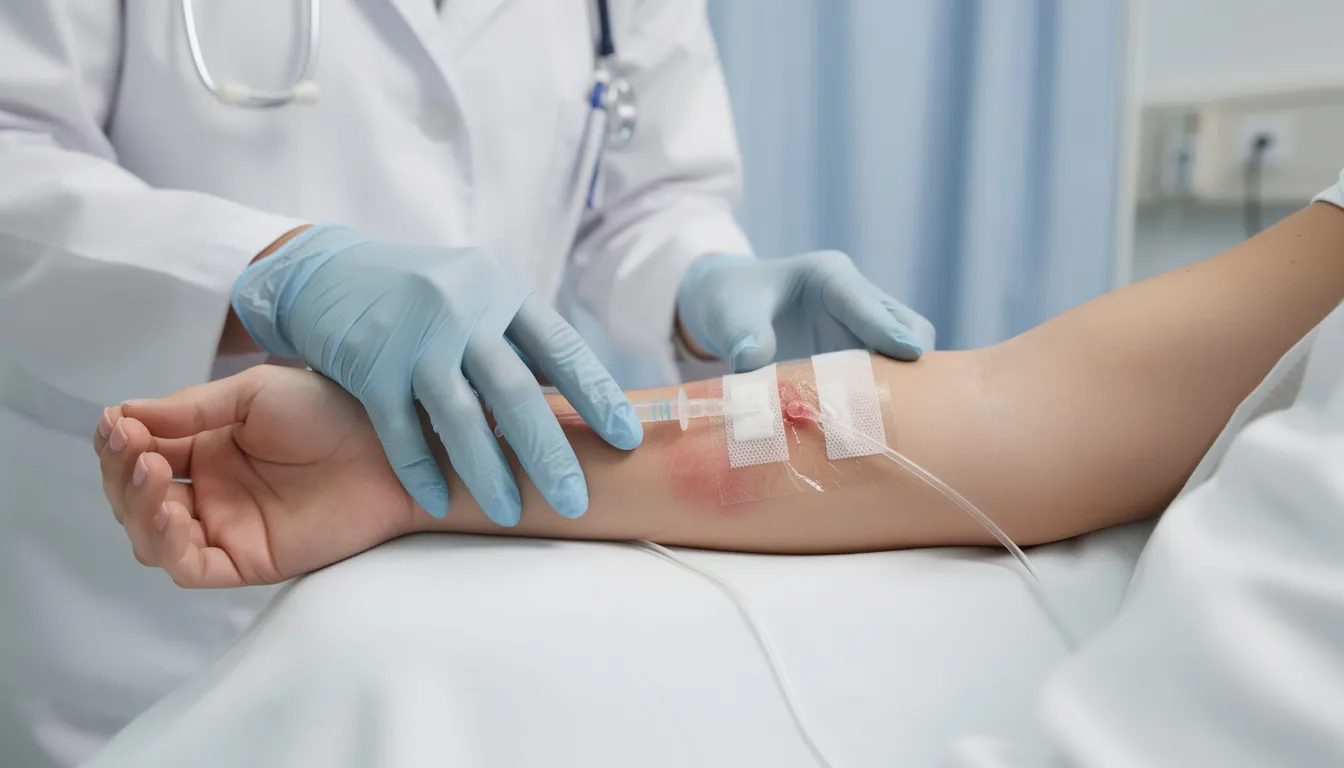
More serious risks deserve attention. Vein irritation or phlebitis can cause pain, redness, and swelling along the vein—rates can reach 33.8% without proper flow control devices. Infiltration occurs when fluid leaks into surrounding tissue rather than staying in the vein, causing swelling and discomfort. Infection remains a risk with any procedure breaking the skin barrier. Air embolism, while rare with proper sterile techniques, represents a serious complication. Allergic reactions or anaphylaxis to drip components, though uncommon, require immediate medical response.
Nutrient-related risks compound these concerns. Fluid overload can stress the heart and lungs in patients with heart failure or kidney disease. Electrolyte imbalances from overzealous hydration disrupt normal cardiac and muscle function. High doses of certain minerals or vitamin c can cause kidney damage in patients with impaired renal function. Fat-soluble vitamins can accumulate to toxic levels with repeated high-dose treatments, creating a toxicity threat that water soluble vitamins largely avoid.
The difference between safe and dangerous iv treatment often comes down to qualified staff (registered nurses or physicians), sterile techniques, thorough health screening before treatment, and individualized dosing based on medical history and current medications. A medical director overseeing protocols significantly reduces risk compared to minimally supervised iv bar operations.
Who Is (and Isn’t) a Good Candidate for IV Drip Therapy?
IV drips are not one-size-fits-all. Whether intravenous vitamin therapy makes sense depends entirely on your personal health status and goals.
Groups that may benefit when properly supervised include:
- Individuals with medically diagnosed nutrient deficiencies confirmed by lab testing
- Patients with chronic gastrointestinal absorption problems (Crohn’s disease, celiac, short bowel syndrome)
- Athletes recovering from intense events where rapid rehydration supports faster recovery
- Patients recovering from acute illness or surgery under physician care
- Those with medical conditions affecting the body’s ability to absorb oral nutrients
Groups requiring extra caution or medical clearance include:
- People with kidney disease, where high-dose nutrients can cause kidney damage or worsen existing conditions
- Those with heart failure, where fluid overload poses serious risks
- Individuals with uncontrolled blood pressure or hypertension
- Pregnant or breastfeeding individuals (only with clear medical indication and obstetric provider approval)
- Anyone taking multiple chronic medications that might interact with high-dose nutrients
Healthy individuals seeking casual wellness boosts should exercise caution. Healthcare providers increasingly counsel such clients about limited data, cost considerations, and realistic expectations. Before committing to expensive iv therapy sessions, optimizing sleep, nutrition, exercise, and trying appropriate oral supplements often makes more sense as a first step toward optimal health and overall well being.
A responsible clinician will review your medical history, current medications, recent lab work, and specific health issues before recommending iv drip therapy. Anyone pressuring you into treatments without this evaluation raises red flags.
How Long Do IV Drip Benefits Last and How Often Are Sessions Needed?
The duration of benefits from iv treatments depends heavily on what’s being treated and your baseline status.
Typical reported timeframes include:
- Hydration and acute symptom relief: within hours, often noticeable during or immediately after the session
- Perceived energy or mental clarity: lasting from a day to about a week in most reports
- Reduction in fatigue symptoms in deficient individuals: potentially longer-lasting if deficiencies are corrected
- Skin hydration improvements: hours to a few days before returning to baseline
Nutrient levels in blood spike during and immediately after infusion but typically return toward baseline over days as your body uses or excretes the surplus. A single iv drip doesn’t permanently change your nutrient status—ongoing intake through diet and potentially oral supplements maintains levels long-term.
Many wellness clinics recommend weekly or bi-weekly sessions for sustained benefits. It’s worth noting that such schedules are based more on practice patterns and patient feedback than on large, long-term clinical trials. No robust scientific evidence establishes optimal frequency for wellness-focused iv drips in healthy individuals.
Rather than committing to open-ended packages, monitor your own response after one or two sessions. Track energy levels, any symptom changes, and how long benefits last before considering additional treatments. Coordinate with a healthcare provider who can order follow-up labs if appropriate and help you determine whether continued sessions offer genuine value for your situation.
Summary: Is IV Drip Therapy Effective for You?
IV drip effectiveness exists on a spectrum. Well-established medical uses—severe dehydration treatment, malabsorption support, specific deficiency correction—have strong evidence and remain standard care in hospitals worldwide. These applications provide effective treatment that oral alternatives simply cannot match.
Wellness applications like routine energy boosts, anti-aging claims, immune support for healthy individuals, and general “detox” have far weaker scientific evidence. While many people report feeling better after sessions, placebo effects, hydration benefits, and the relaxation of spa-like settings contribute to these perceptions alongside any direct biochemical effects.
IV drips do deliver nutrients quickly and efficiently directly into the bloodstream. However, clinical effectiveness depends on your underlying health, baseline nutrient status, and specific treatment goals. Someone with documented B12 deficiency will experience dramatically different results than a healthy individual seeking a hangover cure.
Safety, screening, and professional supervision are non-negotiable. IV therapy is a medical procedure, not a casual healthy lifestyle accessory. Potential risks including infection, vein damage, fluid overload, and allergic reactions require qualified oversight.
Before booking your next session at an iv bar or wellness clinic, take time to discuss your symptoms, get relevant lab work, and explore options with your doctor or a qualified clinician. Understand what health insurance (if any) covers these treatments and what realistic outcomes you can expect. This conversation will help you determine whether iv drip therapy genuinely aligns with your needs—or whether optimizing diet, sleep, and oral supplements might serve you better.
FAQ
Does IV drip therapy really hydrate you better than drinking water?
In cases of moderate to severe dehydration—from vomiting, diarrhea, or heat illness—iv fluids can restore blood volume and electrolytes more quickly than oral intake, often stabilizing patients within a few hours. This represents a genuine medical advantage when the gastrointestinal tract cannot process fluids normally.
For mild everyday dehydration, drinking water and electrolyte beverages is usually sufficient and considerably safer than undergoing an invasive procedure. One iv bag also isn’t a long-term solution; effective hydration requires ongoing fluid intake after any drip. Someone who chronically drinks too little water won’t solve that pattern with periodic iv sessions.
How fast will I feel a difference after an IV drip?
Many people report noticing changes in 30-60 minutes, especially with hydration-focused drips and b vitamins that can produce noticeable effects quickly. Some individuals experience immediate absorption benefits while still sitting in the chair.
However, responses vary widely. Individuals with clear deficiencies or acute dehydration tend to notice more pronounced, faster improvements than healthy individuals seeking minor enhancement. Some effects, like improved skin plumpness, develop more subtly over several hours as tissues fully rehydrate. Managing expectations helps—if you’re already well-nourished and hydrated, dramatic changes are unlikely.
Can I replace my daily vitamins with periodic IV drips?
For most people, daily nutrients should primarily come from food, with oral supplements filling gaps as needed. IV drips are not designed to replace a balanced diet or serve as your sole source of essential vitamins.
Occasional iv sessions can temporarily raise certain vitamin and mineral levels, but they don’t provide steady, daily intake of all required micronutrients. The periodic spike-and-decline pattern of iv delivery differs fundamentally from the consistent daily absorption your body prefers. Relying solely on infrequent drips while neglecting diet, sleep, and exercise is unlikely to support long-term health goals.
Are there people who should avoid IV drips altogether?
Several groups may be advised against elective iv drips without specialist supervision. Those with advanced kidney disease risk further kidney damage from high-dose nutrients. People with severe heart failure may experience dangerous fluid overload. Anyone with a history of severe allergic reactions to infusions should exercise caution. Uncontrolled blood pressure adds additional risk during fluid administration.
Pregnant or breastfeeding individuals should only receive iv drips when there’s a clear medical indication and their obstetric provider agrees to the treatment plan. Anyone with complex medical histories should obtain written clearance from their treating physician before scheduling non-urgent iv therapy at a wellness clinic.
How can I tell if an IV drip clinic is reputable and safe?
Look for clinics staffed by licensed healthcare professionals—MDs, DOs, NPs, PAs, or RNs—with visible credentials and clear oversight by a medical director. Quality operations display their licensing and can explain their protocols when asked.
Ask specific questions before booking: What sterile techniques do they use? Where do they source their solutions? What emergency protocols exist if something goes wrong? Does every client undergo a detailed medical history and consent process before treatment? Reputable providers welcome these questions.
Be wary of operations making sweeping, cure-all claims about reducing fatigue, reversing aging, or treating multiple medical conditions. Avoid those pressuring you into large prepaid packages without first conducting a proper medical evaluation. Legitimate providers prioritize your safety over sales.